Tag: Top Picks
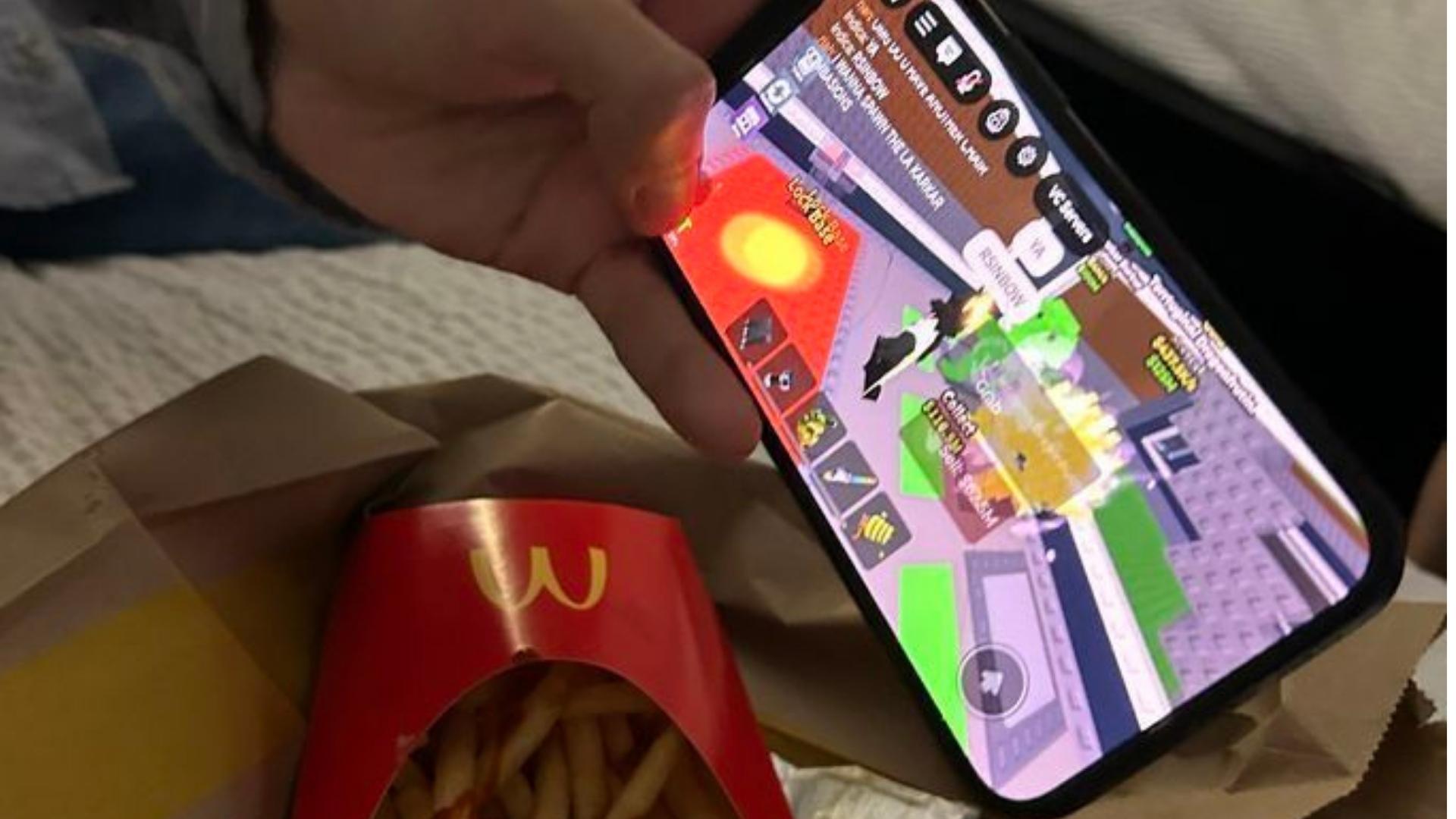
Multiplayer Games with Flexible Team Roles
The evolution of modern cooperative gaming has shifted significantly toward adaptable mechanics that empower players to adjust their strategies on the fly. Instead of locking participants into rigid archetypes like dedicated tanks or stationary healers, contemporary multiplayer designs encourage fluid tactical adjustments during live matches. This shift ensures that squads can quickly adapt to unexpected enemy strategies without feeling constrained by their initial character selections.
Breaking the Traditional RPG Trinity
For decades, cooperative multiplayer games relied heavily on the rigid structure of fixed character classes to ensure team balance. While this classic system successfully fostered basic coordination, it often led to frustrating limitations when a teammate disconnected or underperformed. Modern cooperative platforms are moving away from these restrictions by introducing fluid systems where any player can shift from defense to offense seamlessly.
This structural freedom allows squad members to experiment with diverse tactics throughout a single match. By removing strict boundaries, teams can discover innovative combinations that keep their competitive edge intact during intense encounters. Ultimately, breaking down these traditional barriers enhances overall player agency and makes every match feel distinct.
Enhancing Tactical Adaptability in Combat
Dynamic participation relies heavily on a team's ability to communicate effectively and swap responsibilities whenever battlefield conditions change. If you want to experience platforms that support dynamic player participation and diverse gaming styles, you can check out the M88 Msports Login for various online options. Having immediate access to flexible systems ensures that teams can easily optimize their setups to match the evolving competition.
Furthermore, fluid responsibilities reduce the common frustrations associated with traditional matchmaking queues. Players no longer have to wait indefinitely for someone willing to fill an unpopular, highly specialized position. Instead, everyone can contribute to the team's victory while actively engaging in the aspects of gameplay they enjoy the most.
Fostering Shared Responsibility and Synergy
When tactical roles become fluid, it naturally enhances the sense of camaraderie and shared responsibility among teammates. Since no single player carries the absolute burden of keeping the group alive, cooperation becomes an organic, collective effort. Teams learn to read the battlefield together, covering for each other's weaknesses and amplifying collective strengths in real time.
This collaborative approach also makes competitive environments significantly more welcoming for newcomers who are still learning complex mechanics. Beginners can safely test different playstyles under the guidance of experienced veterans without ruining the squad's overall chances of success. It creates a supportive community environment where collective synergy is prioritized over rigid individual perfection.
The Future of Cooperative Game Design
As developer technology continues to advance, the implementation of dynamic systems will likely become the standard for the multiplayer industry. Future titles are expected to incorporate adaptive environments that adjust challenges based on a team's current composition. This level of design innovation promises to keep cooperative gaming fresh, unpredictable, and highly engaging for years to come.